
Amin Nasser: Why Resilience Depends on People as Well as Infrastructure
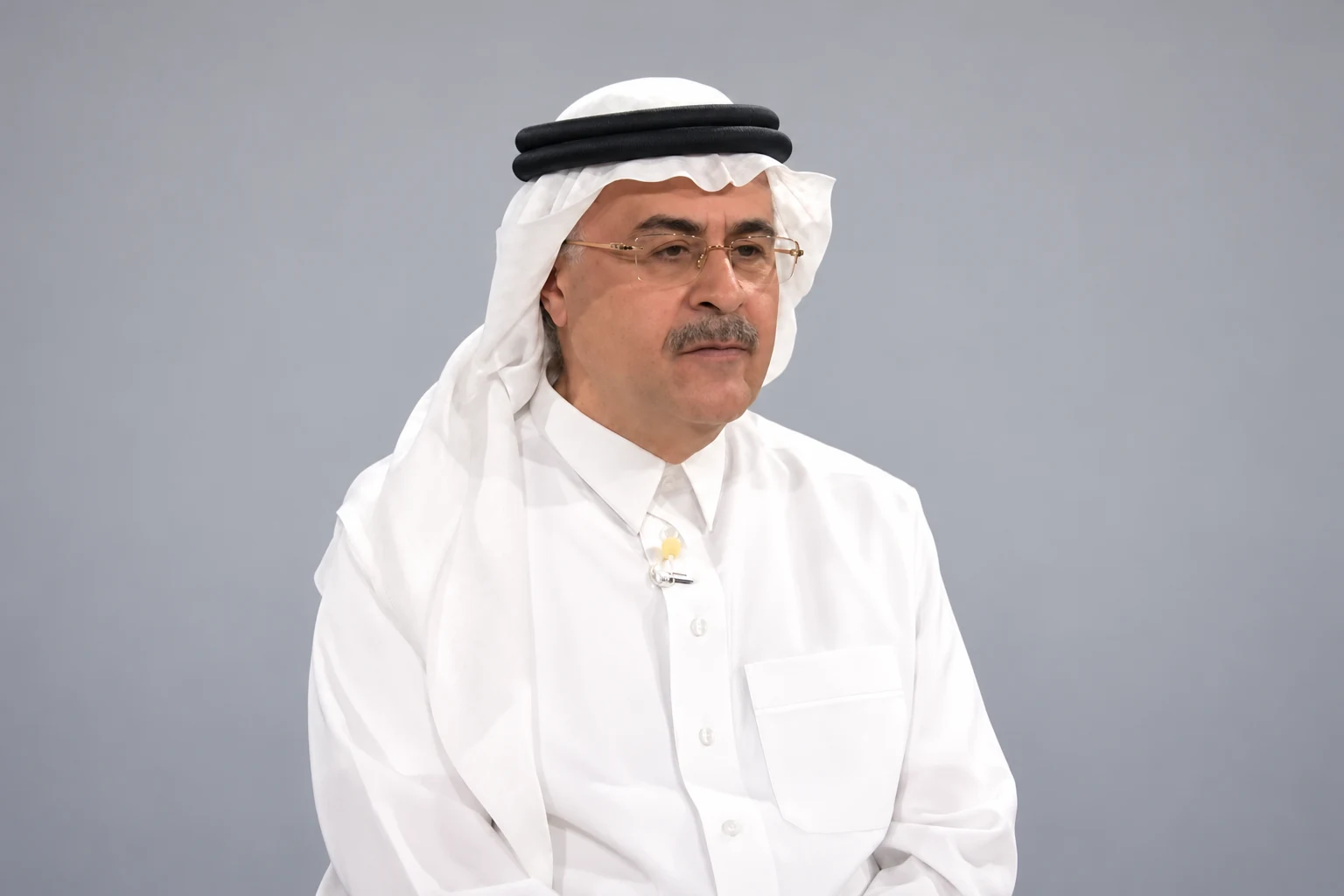
Aramco’s public discussion of operational resilience offers a leadership perspective on preparation, supply chains and the capabilities that help organisations respond to disruption.
Resilience is often discussed when a business encounters difficulty. In Amin H. Nasser’s public remarks, however, it is presented as the product of decisions made well before a crisis.
An Aramco LinkedIn post highlights its President and CEO’s emphasis on supply chains, strategic investment and collaboration across the energy system. The discussion provides a starting point for examining how leadership connects long-term preparation with operational response.
Building several layers of readiness
In his published address to the Energy Intelligence Forum in London on 5 October 2026, Nasser described resilience as a combination of capabilities rather than a single asset.
His examples included storage, production flexibility, local supply chains, backup equipment, maintenance planning and emergency response. He also placed people and sustained investment in their capabilities at the centre of that approach.
For leaders outside the energy sector, one practical interpretation is that continuity depends on how these elements work together. Equipment, suppliers and procedures each contribute, but their value also depends on the people responsible for coordinating them.
A career connecting operations and development
Aramco’s official biography records Nasser’s progression through several leadership positions, including Senior Vice President of Upstream, before his current role.
It also identifies education, training and young professionals’ development among his areas of engagement. The company’s Young Leaders Advisory Board connects senior leadership with the perspectives of younger employees.
That combination of operational experience and people development gives context to his public emphasis on preparedness.
A broader leadership consideration
The implication for business leaders is a question worth asking: are continuity plans supported by the skills, relationships and investment needed to make them work?
Nasser’s published perspective places resilience within ongoing management decisions. Preparation involves maintaining capabilities over time, rather than relying solely on action once disruption has begun.
This is an independently prepared summary of public-source material, not an interview conducted by Talent Diamond.
Sources
- Aramco’s original public LinkedIn post about Amin Nasser and resilience — publisher: Aramco; accessed 24 October 2026. The public view displayed “2d Edited”; it did not expose a reliable absolute publication date.
- Aramco: Remarks by Amin H. Nasser at the Energy Intelligence Forum, London — 5 October 2026; corroborating first-party transcript.
- Aramco’s official leadership biography of Amin H. Nasser — accessed 24 October 2026.
Archive photograph
Amin H. Nasser, adapted from an archive image of the World Economic Forum Special Meeting in Riyadh, 29 April 2024.
World Economic Forum, via Wikimedia Commons / CC BY 3.0. Adapted from an archive video still; AI-assisted background replacement and image regeneration for a 3:2 website composition.

This archive image does not depict the October 2026 remarks. No endorsement is implied.
Original video: World Economic Forum — The Business Case for the Energy Transition.